
How to Access and Use Old StakeCasino Mobile Shop Login
📱 Learn how to easily access and navigate Old StakeCasino mobile shop login. Get tips on fixing login issues, secure account management, and explore mobile features for smooth play.
Edited By
Halima Abubakar
Back in 2013, StakeCasino's mobile platform was still finding its footing amid the rapid growth of smartphone use in Nigeria. Unlike today's slick apps and fast-loading pages, the old StakeCasino mobile login experience was fairly basic but functional, relying mostly on simpler web technologies tailored to the limited internet speeds many Nigerian users faced at the time.
To access the old StakeCasino mobile login, players mostly used mobile browsers like Opera Mini or the then-popular Android browser on devices such as Samsung Galaxy S3 or early Tecno models. The login page was light on graphics, focusing on quick access rather than fancy design. It required users to enter their username or email and password, with fewer layers of security compared to the current standards.
Opening the mobile browser: Players would launch Opera Mini, which compressed data to handle limited bandwidth.
Navigating to StakeCasino mobile site: Direct URL entry was common since app stores didn’t feature many casino apps then.
Entering credentials: Username or email along with the password was the main requirement.
Basic session handling: No two-factor authentication or biometric options existed; session security depended on cookies.
The old system had its share of troubles. Slow connection speeds often meant the login page took longer than expected to load, sometimes timing out in areas with patchy network coverage. Many users complained about forgotten password recovery, which was a manual and sometimes clunky process without immediate feedback. Plus, the simplicity of security protocols made some users anxious about account safety.
For those eager to revisit the 2013 login style today, remember that it was designed for a different internet era — slow and cautious. You should exercise extra care reusing old passwords or methods.
Although quite straightforward, the site required patience:
Ensure you have stable mobile data or WiFi, preferably on an Android or early iOS device from the 2010s era.
Use browsers with good data compression to reduce loading times.
Keep login credentials handy as password recovery was less user-friendly than today.
Moving through the old mobile site gave a glimpse into how far Nigerian mobile gaming has come — from rudimentary, strain-on-the-network design to the current fast, secure, and feature-rich apps billions of Naira in fintech investment support.
Understanding this evolution also helps regulatory officers and fintech staff appreciate the security strides and user experience improvements driving forward Nigeria’s dynamic online gaming market today.
Understanding the background of StakeCasino's mobile platform is key to appreciating its early role in Nigeria's online gambling scene. Back in 2013, mobile gaming was still finding its feet, especially for sectors like casino gaming. StakeCasino seized the opportunity to tap into Nigeria’s growing mobile user base by offering accessible gaming via mobile devices, helping to bridge the gap between desktop and on-the-go play.
Mobile casino gaming emerged in 2013 as smartphones and affordable data plans became more widespread in Nigeria. Before this, most players accessed online casinos primarily through desktop computers, limiting accessibility. The rise of Android devices, which were more common than iPhones at the time, made it easier for many Nigerians to download apps or use mobile sites. This shift allowed users to enjoy casino games during daily commutes on okadas or in breaks while working.
StakeCasino launched its mobile services to meet demand for convenience and flexibility. The platform offered a stripped-down version of its full site, focusing on quick logins and easy navigation suited for smaller screens. This early mobile service was designed to work across various devices, including basic smartphones common in Nigeria, so even users without high-end phones could take part. By accommodating local needs, StakeCasino gained traction among players who valued the ability to bet anytime, anywhere.
In 2013, mobile networks in Nigeria were improving but still faced challenges like spotty coverage and slow internet speeds, especially outside major cities like Lagos and Abuja. Many users relied on 2G or early 3G networks; 4G was not yet widespread. These limitations influenced StakeCasino's mobile design choices, such as simplifying graphics and minimising heavy data use during login and gameplay. Plus, widespread use of prepaid data plans meant players often had to manage limited bandwidth carefully.
StakeCasino’s early mobile platform reflected Nigeria’s unique tech lattice in 2013: rising smartphone adoption mixed with uneven internet access. This meant its design balanced practicality and simplicity, a move crucial for its initial success.
This background lays the foundation for understanding how the old StakeCasino mobile login worked and the challenges users faced at that time. Appreciating these points helps one link the platform’s early innovations to today’s more advanced mobile gaming ecosystem.
Understanding how the old StakeCasino mobile login functioned back in 2013 gives important context to the evolution of mobile gaming, especially within Nigeria's developing tech space. This knowledge clarifies the practical steps users had to follow to access their accounts and highlights limitations linked to the era’s devices and connectivity. It also sheds light on the security protocols that protected user data during those early days. Knowing this helps current users appreciate the progress made in mobile casino accessibility and security.
Logging into StakeCasino on mobile in 2013 was straightforward but required several steps tailored to the mobile technology of the time. First, users opened their mobile browser and typed the casino’s mobile URL—a streamlined site version optimised for small screens. Next, they entered their username and password into clearly marked fields on a simple login page. After tapping the "Login" button, the system processed the credentials and if correct, redirected the player to their dashboard.
An example: a user with a Nokia Lumia 520 would launch Internet Explorer Mobile, go to the mobile StakeCasino site, enter credentials, and then gain access within seconds, provided the network was stable. If credentials were incorrect, the user received a prompt to retry or use available password recovery options.
In 2013, mobile devices ranged widely, but StakeCasino mainly supported popular smartphones like BlackBerry OS phones, early Android handsets (e.g., Samsung Galaxy S3), and Windows Phones. Feature phones with WAP browsers could access limited versions of the site but with reduced functionality.
Browsers like Opera Mini and Internet Explorer Mobile were commonly compatible, whereas some early versions of Chrome for Android had basic support but often struggled due to hardware limits. This meant players with devices like the Nokia Lumia or Samsung Galaxy Y enjoyed much smoother experiences than those on basic phones.
Security was a top priority even in 2013, though it differed from today's multi-factor methods. The login transmitted user credentials over Secure Sockets Layer (SSL) encryption, preventing interception by third parties. Login pages displayed a padlock icon assuring users their connection was encrypted.
Password policies enforced minimum lengths and disallowed simple sequences, reducing risk of breaches. Users were often advised to avoid saving passwords on shared or public devices common in Nigeria’s cybercafés.
Despite technological limits, StakeCasino ensured essential protection by encrypting data and promoting safe login practices, helping protect users' accounts and funds at a time when online security awareness was just gaining ground in Nigeria.
These elements define how the old StakeCasino mobile login worked, reflecting the practical realities of mobile gaming in 2013 Nigeria. They also form a useful benchmark to compare with modern improvements in both accessibility and security.
Exploring the common challenges users faced while accessing the StakeCasino mobile login in 2013 provides crucial insight into how the platform operated and the hurdles players had to clear. Understanding these issues sheds light on why many players struggled initially and highlights areas where significant improvements have been made since.
In 2013, many Nigerian mobile users contended with inconsistent internet connectivity. The reliance on 2G and early 3G networks meant slower data speeds, often causing delays or timeouts during login attempts. For example, a player trying to log in from a rural area might experience dropped connections or slow page loading, resulting in frustration and sometimes failed login attempts. This poor network quality also affected user experience by making navigation sluggish, and games often lagged, reducing the appeal of the mobile platform. Such connectivity challenges were particularly severe during ember months when internet traffic surged.
Password and account recovery posed another problem for users of the old StakeCasino mobile login. The system had minimal support for automated recovery, relying heavily on email verification and manual customer support intervention. Many Nigerian users found it challenging if they lost access to the registered email address or forgot their passwords, since recovery options like mobile phone OTP codes or BVN verification were not yet integrated. This sometimes led to extended downtime for accounts, with some users facing delays lasting days before regaining access, which could interrupt their gaming activity.
The StakeCasino mobile login platform in 2013 faced compatibility issues with the wide range of mobile browsers and devices available at the time. Most Nigerian users accessed the platform with older smartphones or basic feature phones, many running browsers that did not support advanced HTML5 features. This limitation meant the login interface sometimes failed to display correctly or certain buttons were unresponsive. Moreover, the small screen sizes prevalent then constrained the site design, forcing users to scroll excessively or struggle with cramped navigation menus. This often discouraged users from fully engaging with available games or betting options.
Addressing these issues today means recognising how much mobile technology and internet infrastructure have matured in Nigeria since 2013. It also offers context for why newer platforms prioritise faster load times, smoother account recovery, and responsive designs tailored to diverse devices.
Overall, knowing these common obstacles helps current users appreciate how the StakeCasino mobile platform has evolved, while also offering practical tips for those still interested in accessing the older system safely and effectively.
Understanding the old StakeCasino mobile interface from 2013 offers practical insights into how players interacted with early smartphone gaming platforms in Nigeria. Back then, mobile screens were smaller and less responsive than today's devices, which shaped the design and navigation methods considerably. For Nigerian users familiar with current fluid interfaces, revisiting the earlier setup helps appreciate how far mobile casino technology has come.
The 2013 StakeCasino mobile interface featured a straightforward menu layout adapted to the limited screen size of phones common at the time, like the Nokia Lumia or early Samsung Galaxy models. Navigation predominantly relied on vertical scrolling and a collapsible menu system. Users could tap the hamburger icon to reveal options such as Games, Promotions, Account, and Help. This setup was basic but effective for easy access to key sections without crowding the screen.
One has to remember that touch responsiveness wasn't as sharp in 2013, so menus often required more precise taps, sometimes leading to user frustration when accidental selections occurred. However, StakeCasino addressed this by using larger buttons and clear text labels which suited smaller Nigerian screens and slower internet speeds.
The games available on the old mobile platform leaned towards popular choices but were limited compared to today’s vast libraries. Players could access slots, blackjack, and roulette, though graphic intensity was toned down to fit mobile limitations. Betting options covered major sports like football and basketball, reflecting Nigeria's sporting interests.
This limited selection meant that users had a more focused experience, which some found easier to navigate on mobile without feeling overwhelmed by choices. It also ensured faster loading times on the often spotty Nigerian mobile networks of the time.
Payment methods available then mainly involved bank card payments and basic e-wallets which could be accessed via mobile browsers. Nigerian players often relied on bank USSD services and direct bank transfers through their mobile banking apps, as platform-integrated payment options were still on the rise.
Withdrawals typically required manual requests through customer support channels, either by phone or email, resulting in longer processing times. Unlike today's seamless integration with fintech startups like OPay or Flutterwave, the older StakeCasino system was less automated but still provided reliable cashout mechanisms compatible with Nigerian banks.
Navigating the old mobile site required patience and familiarity with early mobile internet quirks, but it laid the groundwork for the smooth, feature-rich casino experiences Nigerians enjoy today.
Understanding how StakeCasino's mobile login has changed from 2013 to today offers valuable insights not just into technology but also into user needs, especially within Nigeria’s growing mobile gaming market. The comparison highlights how improvements respond to challenges users faced and adapt to local conditions — from connectivity and security to payment solutions.
Back in 2013, mobile interfaces were quite basic, designed primarily for smaller screens and slower internet speeds common in Nigeria then. Navigation relied on simple menus and limited options to keep load times manageable. Today, interfaces are smoother and more intuitive, with responsive designs that fit various devices — from older Androids to flagship iPhones. Nigerian players now enjoy clearer layouts, easier access to games, and features like dark mode or quick filters, which were absent before.
Accessibility has also improved considerably. Earlier, many players struggled with screen size limitations and clunky navigation, especially on devices with lower resolution. Now, platforms account for diverse device capabilities and include voice input or biometric logins, making it easier for users with different needs to access their accounts seamlessly.
Security in 2013 was mostly about password protection and basic HTTPS encryption. Nigerian players had to be extra cautious, as phishing and account breaches were common due to weak safeguards. Today, StakeCasino and similar platforms use multi-factor authentication (MFA), including one-time password (OTP) verification via SMS or authenticator apps, which reduce fraud risks.
Biometric options like fingerprint scanning have become more widespread, leveraging native smartphone security tools to enhance account protection. Plus, better encryption standards and regular security audits help safeguard user data, a huge step up from earlier methods.
The shift to modern security features makes logging in safer and less frustrating for Nigerian users, who often face cybersecurity risks.
In 2013, payment options on StakeCasino were limited, mostly requiring international cards or basic bank transfers. Currency support was generally fixed in USD or Euros, which exposed users to currency conversion fees and naira devaluation impacts.
Fast forward to today, and the platform integrates Nigerian payment methods like Paystack, Flutterwave, and direct USSD banking. Players can deposit and withdraw using ₦ directly, sidestepping expensive conversions and delays. Mobile money services and local banks also support seamless transfers, catering to Nigeria’s large unbanked and underbanked population.
This integration helps reduce costs and time for transactions, making the gaming experience much more convenient. It also boosts trust since users deal in familiar currencies and payment channels.
Comparing the old login experience with today's shows how StakeCasino has evolved to meet Nigerian users where they are. These upgrades in interface, security, and payment solutions not only improve user satisfaction but also promote responsible, efficient, and safe mobile gaming across the country.
📱 Learn how to easily access and navigate Old StakeCasino mobile shop login. Get tips on fixing login issues, secure account management, and explore mobile features for smooth play.
Get easy steps on logging into the old mobile StakeCasino platform 📱, tackle common access issues, and secure your account like a pro—tailored for Nigerian users 🇳🇬.
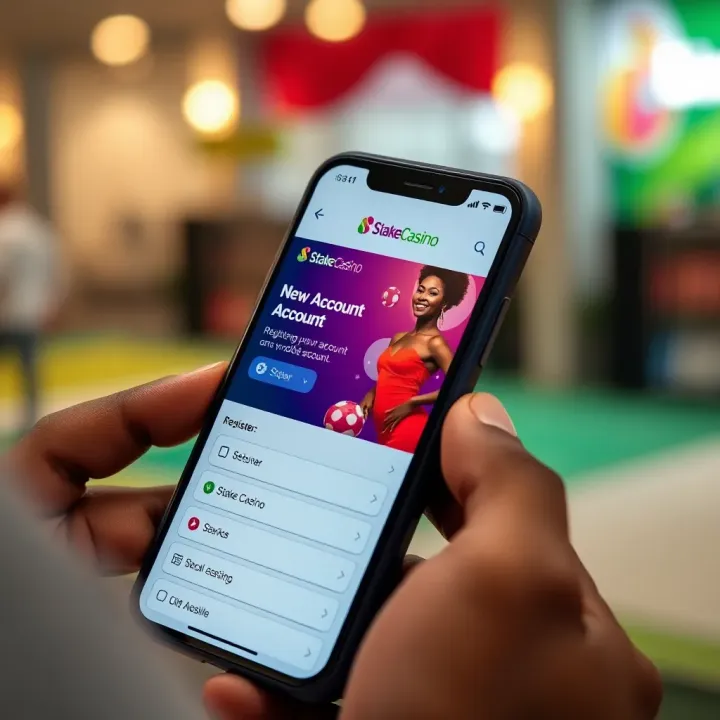
🎰 Learn how to access and register on StakeCasino’s old mobile platform in Nigeria with simple steps for quick login, secure play, and easy navigation on your phone.
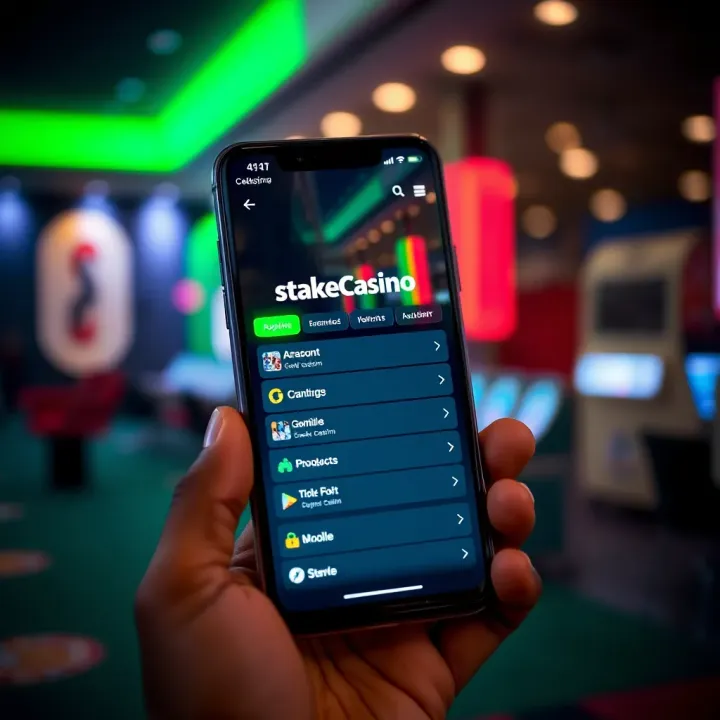
🎰 Learn how to access StakeCasino's old mobile version in Nigeria safely! Get step-by-step guides, device tips, solutions for issues & keep your gaming secure. 📱
Based on 5 reviews