

Asian Handicap Betting Explained for Nigerian Punters
⚽ Learn Asian handicap betting to balance football odds and reduce draws. Get tips, top Nigerian bookmakers, and smart strategies to boost your wins with ₦ bets.
Edited By
Fatima Bello
Betting tax in Nigeria affects both players and operators in the fast-growing industry of sports and online betting. It’s essential to understand who pays this tax, how it works, and the legal framework behind it.
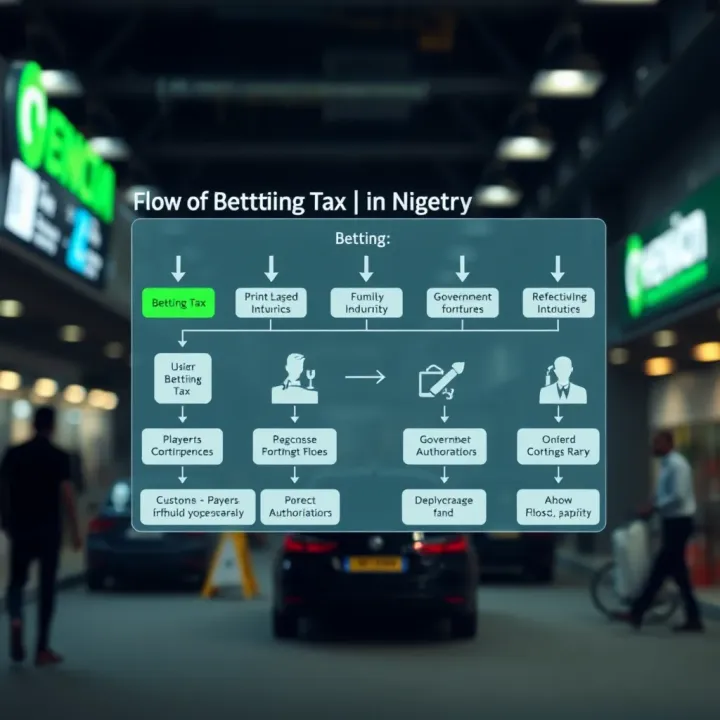
The tax mainly targets betting operators, like local sportsbooks or online platforms such as Bet9ja, Nairabet, and Merrybet. These operators deduct tax before paying out winnings to players. Specifically, a 10% tax on gross stakes and a 20% tax on gross winnings apply, depending on the state rules. For example, Lagos State applies a 10% tax on stakes, while the Federal Inland Revenue Service (FIRS) focuses on taxing winnings.
Players are indirectly affected because the tax reduces potential payouts. So, if you place a bet worth ₦1,000 and win ₦5,000, a portion may be withheld as tax, lowering your actual take-home amount.
Nigeria’s taxation laws, particularly the Companies Income Tax Act and various state excise duties, regulate betting taxes. States like Lagos, Ogun and the Federal Capital Territory (FCT) have their individual levies, so gambling operators must navigate overlapping tax rules.
Operators are responsible for remitting these taxes to the appropriate government agencies. Tax payments usually happen monthly or quarterly, supported by documentation like betting receipts and transaction reports.
"Operators must ensure timely and accurate tax remittance to avoid penalties or licence suspension, which could harm their businesses and trust with customers."
One challenge is inconsistent tax rates across states, which complicates compliance for operators. For bettors, this tax system can be confusing, especially when different platforms handle deductions unevenly.
Additionally, many smaller operators struggle with tax compliance due to limited resources. Meanwhile, players should keep records of their bets and winnings, especially for high stakes, to clarify any tax issues.
Betting tax in Nigeria is primarily charged to operators but affects players’ winnings.
Tax rates vary: Lagos State applies 10% on stakes; FIRS taxes winnings at 20%.
Multiple state regulations mean complex compliance for operators.
Timely payment helps avoid legal issues and maintains credibility.
Players should track betting transactions to understand tax impacts.
Understanding this setup will help you navigate betting in Nigeria more wisely and recognise the financial deductions beyond the apparent odds and stakes.
Betting tax in Nigeria plays a significant role in the country's growing betting industry, directly affecting operators, bettors, and government revenue. Understanding this tax is crucial for anyone involved in betting — from individual punters to fintech agents and regulatory officers — as it determines the financial obligations and legal responsibilities within the sector.
The betting tax operates as a levy on gains from betting activities, ensuring that the government collects revenue from this rapidly expanding market. For example, when a bettor wins a stake on a match at a local sportsbook, a percentage of that winning is deducted as tax before payout. This system not only formalises betting activities but also helps fund public projects.
Betting tax is a specific charge imposed on gambling winnings or turnover generated by betting operators. Its main purpose is to generate government revenue from an industry that has seen exponential growth, especially with the rise of online platforms like Bet9ja and NairaBet. Besides revenue, the tax aims to regulate betting, curb illegal operations, and protect consumers by ensuring operators comply with financial and legal standards.
For instance, when a bettor wins ₦50,000, a flat tax rate, say 10%, might be deducted before the payout. This deduction helps fund government programmes while maintaining a fair playing field within the industry.
Betting taxation in Nigeria traces back several decades, initially governed by colonial-era laws that focused on physical betting shops and lotteries. Over time, as the betting landscape shifted with technology, the laws evolved to cover online platforms and mobile betting apps. The introduction of the National Lottery Regulatory Commission and updates to the Nigerian betting laws in the 2000s reflect efforts to modernise tax collection and enforcement.
A key turning point came with the rise of digital betting in the 2010s. The government recognised the sector's potential, leading to clearer tax guidelines and regulations to prevent revenue leakage. Operators increasingly adopted formal tax remittance systems, making betting tax a steady income stream.
Betting tax is not just a financial obligation; it is a tool for formalising betting activities, supporting government revenue, and encouraging responsible participation in a popular Nigerian pastime.
Understanding how betting tax works, its purpose, and its history is essential for anyone engaged in the betting sphere in Nigeria. It ensures compliance, avoids penalties, and supports the broader economic framework within which this sector operates.
Understanding the legal framework behind betting tax in Nigeria is essential for both operators and bettors. It defines the rules, limits, and responsibilities guiding tax behaviours in the betting industry. The framework ensures that tax collection is transparent, fair, and aligned with national laws, which ultimately supports government revenue and industry growth.
Several legal instruments shape betting tax in Nigeria. Foremost is the Finance (Miscellaneous Taxation Provisions) Act, which outlines tax rates and collection guidelines specifically for betting, wagering, and lottery activities. This law sets the taxable thresholds and the percentage of turnover subject to tax.
Beyond this, the Companies Income Tax Act (CITA) also plays a role, as betting companies are subject to corporate taxes on their profits. Additionally, the Federal Inland Revenue Service (FIRS) Act empowers the FIRS to assess and collect taxes, including those from betting operations.
State governments have their own laws, often reflected in state tax laws and revenue agencies, which may impose additional levies on betting activities. For instance, Lagos State collects betting taxes through its Lagos State Internal Revenue Service (LIRS), complementing federal regulations.
These layers of laws create a complex but necessary environment that ensures betting tax is properly administered across the country.
Several agencies oversee the implementation of betting tax laws, each with distinct roles:
Federal Inland Revenue Service (FIRS): The primary body responsible for collecting federal betting taxes, monitoring compliance, and enforcing penalties for non-compliance.
State Internal Revenue Services: Bodies like LIRS manage state-level tax assessments and collections, often coordinating with FIRS to avoid overlaps.
National Lottery Regulatory Commission (NLRC): While focused on licensing and regulating lottery operators, NLRC also provides oversight to ensure operators comply with tax obligations.
Nigeria Police Force and EFCC (Economic and Financial Crimes Commission): These agencies enforce laws against illegal betting activities that circumvent tax regulations.
Coordination among these bodies is vital. For example, when betting operators fail to remit taxes, FIRS, with support from EFCC, may investigate and apply sanctions. Operators must keep accurate records and submit returns regularly to avoid legal troubles.
Clear understanding of these laws and agencies helps bettors, operators, and agents navigate tax responsibilities confidently, avoiding penalties and fostering a sustainable betting industry.
In sum, knowing the legal framework and regulators involved enables stakeholders to operate within Nigeria's betting tax system effectively, supporting compliance and industry transparency.
Betting tax directly shapes the operations, profits, and legal obligations of all parties involved in Nigeria’s betting industry. Understanding how it influences betting operators, individual bettors, and agents provides clarity on who pays what and why compliance matters.
Betting operators feel the brunt of taxation because the law typically requires them to deduct taxes on bets or winnings before payouts. For instance, a bookmaker running a popular sportsbook in Lagos must collect tax on each wager and remit it to the government. Failure to comply risks heavy fines or licence suspension. Operators also factor this tax into their odds and profit margins. This means they need to balance competitive pricing with tax obligations to stay profitable while following Nigerian tax laws.
A practical example comes from smaller operators who might struggle to keep up with frequent tax remittance schedules set by authorities like the Lagos State Internal Revenue Service. Such challenges sometimes push informal operators underground, leading to loss of regulatory oversight and government revenue.
Individual bettors must be aware that tax regulations may require them to pay taxes on winnings exceeding certain thresholds. Although operators mostly deduct these taxes upfront, bettors should keep records of their wins and losses for tax purposes. For example, if a bettor wins ₦500,000 on a football bet, the operator deducts the applicable tax before payout. However, in cases of private bets or smaller operators, bettors could be directly responsible for declaring and paying taxes to avoid legal trouble.
Tax on betting winnings means bettors lose part of their potential take-home amount, but this is the price paid to stay on the right side of the law. It also discourages tax evasion, which can affect the growth and fairness of the betting industry.
Agents and promoters are often the middlemen between operators and bettors. They can act as collection points for taxes, especially in states where local laws empower such roles. An agent running a betting kiosk in Ibadan, for example, might be tasked with collecting tax on wagers before passing the net amount to the operator.
Their role is crucial because they ensure wider tax compliance by reaching bettors who prefer in-person transactions rather than online platforms. Agents also face legal obligations to report and remit taxes collected. Non-compliance on their part can lead to penalties affecting their licence to operate.
Proper understanding of tax responsibilities by all stakeholders helps create a transparent betting environment benefiting operators, bettors, and government revenue alike.
Overall, betting tax affects stakeholders differently, but their combined compliance is essential to sustain the industry. Betting operators must manage tax deductions and remittances efficiently; bettors need awareness and record-keeping habits; agents and promoters serve as vital tax collection points across Nigeria's diverse betting landscape.
Understanding how betting tax is calculated and paid is vital for anyone involved in Nigeria's betting industry—whether you're a player, operator, or regulatory official. This process determines how much tax will be contributed to the government and ensures compliance with Nigerian laws. Missteps can lead to penalties or disruptions in betting activities.
Betting tax rates in Nigeria vary depending on the type of betting and the gross stakes. The federal government currently imposes a 10% tax on gross stakes for sports betting. For example, if a bettor stakes ₦1,000 on a football match, ₦100 goes to the tax authority. Lotteries and other games may have different rates, often between 5% and 15%, depending on the state's regulations.
Thresholds also come into play, especially for individual bettors. If a bettor wins less than a certain amount—say ₦10,000—some operators may not deduct tax immediately, though this varies by company. This system prevents taxing small winnings excessively and encourages participation.
Typically, betting operators are responsible for deducting tax at the source. When a bettor places a stake, the operator subtracts the relevant tax before placing the wager or when paying out winnings. Operators then compile these taxes and remit them to the appropriate tax authorities, such as the Federal Inland Revenue Service (FIRS) or state tax bodies, usually on a monthly basis.
To ease compliance, many operators use automated systems that track bets, calculate tax owed, and generate reports. For instance, Bet9ja and Nairabet integrate such systems to handle tax deductions seamlessly. This approach also facilitates transparency in financial records, essential during audits.
One major hurdle is the lack of consistent enforcement across different states, leading to confusion among operators who operate nationwide. Also, smaller operators sometimes struggle with the technology and expertise required for accurate tax deduction and timely remittance.
Another challenge is the informal betting market, where stakes are exchanged outside licensed platforms—tax collection here is practically impossible. This limits government revenue and puts legitimate operators at a disadvantage.
Furthermore, delays in remitting collected taxes occasionally arise due to cash flow issues or administrative bottlenecks. Such delays can attract fines or sanctions.
For players and operators alike, understanding the details of betting tax calculation and payment reduces risk, ensures compliance, and supports the continued growth of Nigeria’s betting sector.
In summary, knowing the tax rates, deduction procedures, and common compliance challenges equips all stakeholders with the information needed to navigate Nigeria's betting landscape confidently and responsibly.
Betting tax revenue forms a significant part of Nigeria's fiscal landscape, especially as the betting industry continues to grow rapidly. The government relies on this income not just to boost its coffers but to support public services and development projects. Understanding where this money comes from and how it is used gives a clear picture of why compliance matters for all stakeholders involved.
Betting tax contributes to government revenue primarily through direct taxes imposed on operators and, in some cases, individual bettors' winnings. The Nigerian government, via agencies like the Federal Inland Revenue Service (FIRS), collects these taxes to help fund national and state budgets. For example, Lagos State, with its vibrant betting scene, earns hundreds of millions of naira annually from betting taxes alone. This inflow helps the state government meet its expenditures without overburdening traditional taxpayers.
Besides the obvious fiscal benefit, betting tax revenue helps diversify government income streams. In a country like Nigeria, where oil revenues can be volatile, steady tax inflows from the betting sector can offer some cushion to the economy. This is especially valuable during periods of fluctuating crude oil prices or when subsidy reforms affect fuel prices and general cost of living.
Once collected, betting tax funds are allocated across several key areas depending on government priorities. A significant part often goes to infrastructure development projects, especially in urban centres where betting shops and related activities thrive. This includes road repairs, power improvements, and hospital upgrades. For instance, states like Rivers and Ogun have reportedly used betting tax revenue to fund road rehabilitation and community health schemes.
Education and youth empowerment also benefit from these funds. Some states allocate portions of their betting tax revenue to scholarship schemes or vocational training programmes to help young Nigerians gain skills and reduce unemployment. This aligns with broader goals to curb social vices and encourage positive youth engagement.
It's critical that betting tax revenues are transparently managed. Clear reporting and accountability help ensure these funds truly support public welfare rather than being lost to bureaucratic inefficiency or corruption.
In practical terms, betting operators and fintech platforms should keep accurate tax records, as funds paid ultimately influence the quality of community services Nigerians receive. Bank staff and customer service agents can play their part by guiding customers on tax deductions and compliance.
Overall, betting tax revenue fuels government budgets and contributes directly to public amenities, making it a vital component of Nigeria’s economic health. Stakeholders must understand this role to appreciate why meeting tax obligations promptly benefits the society as a whole.
⚽ Learn Asian handicap betting to balance football odds and reduce draws. Get tips, top Nigerian bookmakers, and smart strategies to boost your wins with ₦ bets.

StakeCasino sport betting shop 🎯 offers Nigerian bettors easy registration, diverse markets, multiple payment options, secure accounts, and tips for responsible play. 💡

🎯 Improve your betting game in Nigeria! Learn key local trends, smart analysis, and trusted tips to increase winnings in popular sports markets. 💹⚽

⚽ Want to bet on EPL fixtures in Nigeria? Get the latest schedule, know when and how to place smart bets on StakeCasino, and enjoy every matchday with confidence! 🇳🇬
Based on 15 reviews