
Understanding Self-Exclusion in Nigerian Gambling
Edited By
Nneka Udoka
Overview
Self-exclusion is a practical measure allowing individuals to opt out of gambling platforms or venues voluntarily. In Nigeria, where betting shops and online gambling apps have become common fixtures, self-exclusion offers a way to set personal boundaries against potential addiction and financial loss.
The reason self-exclusion matters here is clear. Gambling in Nigeria is widespread, with many operators unregulated or loosely supervised, making it easy for vulnerable people to overspend or fall into harmful patterns. Self-exclusion empowers such individuals to take control, cutting off access before problems escalate.
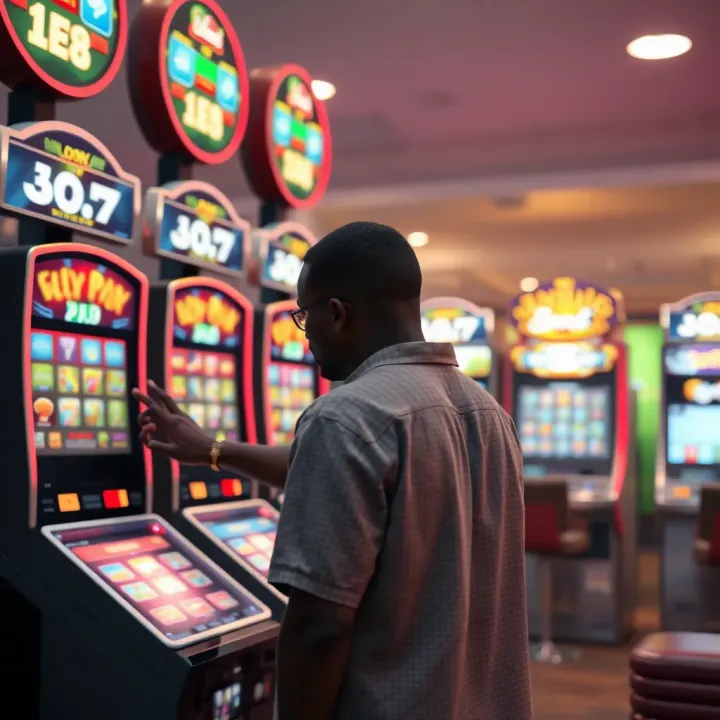
For example, someone who notices they are spending too much time or money on sports betting apps like Betking or NairaBET can apply for self-exclusion with that operator. Once enrolled, the operator disables the person’s account for a set period—often six months to a year—blocking further participation. This helps to prevent impulsive betting and limit financial damage.
Self-exclusion serves as a safeguard, giving you a moment to step back and regain control over gambling habits without external pressure.
In Nigeria, self-exclusion applies mainly to licensed online platforms and physical betting shops that cooperate with regulatory bodies like the National Lottery Regulatory Commission (NLRC). However, enforcement remains a challenge due to the number of unlicensed operators and the informal gambling scene.
To put it plainly, self-exclusion isn't a catch-all solution but a key part of responsible gambling practices. By understanding how it works and where it applies, players, bank staff, fintech agents, and regulators can help ensure safer gambling environments.
In the following sections, this guide will unpack how you can use self-exclusion effectively, the hurdles involved, and ongoing efforts by regulators to tighten controls. This equips you with the knowledge to protect yourself or assist those at risk within Nigeria’s gambling landscape.
What Self-Exclusion Means in Nigeria
Understanding what self-exclusion means in Nigeria is fundamental for anyone involved in gambling or managing gambling-related services. This practice allows individuals to voluntarily block themselves from accessing gambling activities, acting as a safeguard against losing control. In the Nigerian context—where gambling options are rapidly growing, both formal and informal—self-exclusion helps protect vulnerable players before serious harm sets in.
Defining Self-Exclusion and Its Purpose
Self-exclusion is a voluntary process where a gambler opts to restrict themselves from participating in betting or other gambling activities for a set period. This system is designed to be flexible: Nigerians can choose the length of exclusion depending on their personal needs, from a few months to several years. For example, someone frequently using sports betting apps may choose to self-exclude for six months to reassess their habits without immediate access to their accounts.
The practical benefit lies in taking control before addiction spirals out of hand. Rather than waiting until debt accumulates or emotional strain becomes unbearable, self-exclusion offers an immediate barrier. Nigerian gamblers who have lost large sums on platforms like Bet9ja or how they frequent local lottery vendors can use self-exclusion as a tool to pause and protect their resources.
Furthermore, self-exclusion guards not only finances but also emotional health. In Nigeria, gambling addiction often brings stigma and stress to individuals and families. Making a conscious choice to self-exclude helps break the cycle of emotional turmoil by reducing exposure to gambling triggers, allowing space for recovery or seeking professional help.
Common Forms of Gambling in Nigeria
Sports betting and lotteries dominate Nigeria’s gambling scene, with many players engaging in events such as football matches, especially during the EPL season. Providers like Naira Bet and Betking offer mobile apps and physical outlets across Lagos and Abuja, making access easy. These platforms usually support self-exclusion options, allowing users to take breaks from betting.
Casino and online platforms represent a growing slice of Nigerian gambling. Despite limited land-based casinos compared to Western countries, online casinos have surged, offering slots and table games. Not everyone understands the risks here; the instant, 24/7 access can lead to longer gambling sessions. Here, self-exclusion can particularly help Nigerian players manage time and spending on platforms including 1960bet or private poker sites.
Local informal betting markets also play a large role, especially in rural or underserved areas. Bets are placed on horse racing, election outcomes, or even local sports through agents and personal networks. These informal markets are harder to regulate, and thus harder for self-exclusion programmes to reach. However, recognising their impact is vital when considering how self-exclusion improves overall gambling safety in Nigeria.
Self-exclusion offers practical relief from gambling pressures by allowing Nigerians to step back before problems escalate — whether on mainstream platforms or local betting corners.
In sum, knowing what self-exclusion involves and recognising Nigeria’s diverse gambling landscape helps individuals and regulators embrace self-exclusion as an effective, protective tool.
How Self-Exclusion Works for Nigerian Gamblers
Self-exclusion is a vital tool for Nigerian gamblers seeking to control their betting habits and avoid the pitfalls of excessive gambling. With Nigeria’s booming betting industry, especially sports betting, understanding how self-exclusion operates is essential not only for individuals but also for operators and regulators aiming to promote responsible gambling.
Process of Registering for Self-Exclusion
Voluntary sign-up procedures are straightforward but require commitment. Nigerian gamblers can enrol themselves for self-exclusion through licensed betting centres or online platforms. Typically, the gambler must provide identification, such as a valid ID card or Bank Verification Number (BVN), and formally agree to the exclusion terms. This voluntary step helps ensure that the individual consciously chooses to restrict their access without external pressure, fostering accountability.
For instance, a bettor addicted to daily sports stakes at a popular Lagos betting shop might visit the counter, request self-exclusion, submit proof of ID, and sign a form agreeing to block access for a set period.
Duration and terms of exclusion vary depending on the platform or operator policies, but exclusions commonly last from six months up to five years. Some operators offer permanent bans if requested. During this period, the gambler’s account is frozen, and access to deposit or place bets is denied. This pause gives the individual time to regain control over their behaviour and finances.
It is important to note that during the exclusion period, the gambler cannot use alternative accounts on the same platform; this is why identification and robust verification are essential for effectiveness. While exclusion doesn’t solve addiction on its own, it acts as a practical barrier to impulsive betting.
Platforms That Offer Self-Exclusion Options
Registered betting companies in Nigeria have started incorporating self-exclusion features to comply with the National Lottery Regulatory Commission guidelines. Firms like Bet9ja, NairaBet, and Merrybet allow customers to request self-exclusion either in-person or via their websites. These platforms leverage the gambler’s ID to enforce the restriction across all their services.
This regulatory push ensures that operators take responsibility by monitoring accounts and preventing banned users from continuing gambling activities, which protects vulnerable customers and builds trust in the industry.
Online and mobile gambling services also provide self-exclusion options, making it easier for tech-savvy Nigerians. Apps from companies like Surebet247 and Sportybet integrate self-exclusion directly into their user settings, enabling quick enrolment without visiting physical locations. This convenience helps users secure timeouts during risky periods, such as salary days or ember months, when gambling temptation peaks.
However, enforcement can be tricky with online platforms due to possible use of multiple accounts or identity manipulation. Hence, continuous improvements in verification technology are necessary.
State-supported intervention programmes remain limited but are gradually emerging. Some Nigerian states and non-governmental organisations collaborate to offer counselling and voluntary self-exclusion schemes, combining legal tools with psychological support. For example, Lagos state has engaged with local NGOs to build awareness and provide help for compulsive gamblers through community education and referral systems.
These programmes reinforce self-exclusion by addressing the emotional and social aspects of gambling addiction, a step beyond the bans set by betting operators.
Self-exclusion is a practical first step, but combining it with support services increases chances of lasting recovery among Nigerian gamblers.
Understanding the process and platforms for self-exclusion can empower gamblers to take control, making Nigeria’s betting environment safer and more responsible.
Challenges in Implementing Self-Exclusion in Nigeria
Implementing self-exclusion in Nigeria faces several hurdles, both regulatory and social, which limit its effectiveness. Understanding these challenges is crucial for policymakers and stakeholders who want to protect vulnerable gamblers and improve Nigeria's gambling ecosystem.
Regulatory Gaps and Enforcement Issues
Limited oversight on betting operators has significantly affected self-exclusion enforcement. Many licensed betting companies operating in Nigeria struggle to fully implement self-exclusion systems due to a lack of clear, consistent regulations and inadequate supervision by authorities. For instance, some operators fail to integrate their platforms with national self-exclusion databases, making it easy for users to open new accounts after exclusion periods. This gap weakens the intended protection for individuals seeking to restrict themselves.
Moreover, regulators like the National Lottery Regulatory Commission (NLRC) face resource constraints, impacting their ability to monitor compliance across the dozens of betting firms in Nigeria. It’s not unusual for smaller or less reputable firms to neglect self-exclusion protocols entirely, exposing customers to the risk of further gambling harm.
Also, difficulty monitoring informal gambling adds another layer of complexity. Nigeria has a thriving informal betting market involving street-based bets and unofficial lotteries that are often unregistered or unregulated. These informal venues do not provide self-exclusion options, so gamblers excluded from formal operators can easily turn to them. For example, local football pools or “mama put” style betting shops in many neighbourhoods operate without oversight, making enforcement nearly impossible.
This informal market undermines the self-exclusion system's purpose because it provides unrestricted access to gambling, especially for vulnerable groups with limited awareness of formal options.
Social and Cultural Barriers
Stigma around admitting gambling problems prevents many Nigerians from seeking help or self-excluding. In many communities, gambling addiction carries shame, which discourages open conversations or disclosure. This cultural hesitancy is often compounded by gender expectations, where men may feel pressure to appear strong and in control, while women might be judged more harshly for such behaviour.
As a result, individuals struggling with gambling issues might avoid using self-exclusion services, leaving them exposed to further financial and emotional harm. This reluctance can be seen in urban and rural areas alike, where peer pressure and family expectations discourage admitting vulnerability.
Lack of awareness about self-exclusion remains a barrier as well. Many Nigerians do not know that self-exclusion services exist or how to access them. Betting companies and regulators have done little to promote these options widely, especially outside metropolitan centres like Lagos or Abuja. This gap means that only a narrow segment of gamblers benefit from self-exclusion provisions.
Education campaigns targeted at both urban and rural populations are necessary to boost understanding and encourage use. Without these efforts, most Nigerians will remain unaware that self-exclusion can help curtail harmful gambling behaviour.
Tackling the challenges of regulatory oversight and social stigma is essential for self-exclusion to work effectively in Nigeria's diverse gambling environment.
By addressing these practical challenges, Nigeria can improve protection for gamblers, reduce the social damage of addiction, and support healthier gambling practices nationwide.
Benefits of Self-Exclusion for Individuals and Communities
Self-exclusion offers real, practical benefits for both individuals caught in gambling challenges and their broader communities. In Nigeria, where gambling activities span from local informal betting circles to online platforms, self-exclusion can help prevent the financial and emotional tolls that unchecked gambling often brings. Understanding these advantages gives a clearer view of why self-exclusion deserves attention and support.
Financial Safeguards Against Gambling Losses
Preventing excessive spending
Self-exclusion acts as a firm brake for those who find themselves spending more than they can afford on betting activities. For instance, a football enthusiast in Lagos who regularly staked money on multiple local and online platforms could quickly drain savings on hopes of quick wins. Once enrolled in self-exclusion, access to these betting services is restricted, stopping impulsive bets that pile up without control. This safeguard means people avoid depleting resources they need for essentials like rent, food, and transport.
Reducing debt and poverty risks
Unchecked gambling in Nigeria often spirals into deeper financial troubles, including debt or even poverty for some. When self-exclusion is in place, it removes easy access to betting accounts, cutting the temptation that leads to borrowing or using credit recklessly. Consider someone who, before self-exclusion, might borrow from friends or informal lenders to support betting cravings, only to fall into a debt trap. By stopping gambling early, self-exclusion reduces this downward spiral and the broader social issues connected to poverty caused by financial mismanagement.
Support for Emotional and Mental Wellbeing
Breaking the cycle of addiction
Gambling addiction often creates a loop of repeated losses and chasing winnings, which affects mental health severely. Self-exclusion helps break this pattern by physically restricting access to gambling platforms. With less temptation, individuals get a chance to pause and reassess their habits. For example, someone compulsively betting on the Nigeria Premier League matches may find relief once self-excluded, allowing them to regain control and reduce stress and anxiety linked to continuous gambling losses.
Encouraging lifestyle changes and recovery
Beyond the immediate break from gambling, self-exclusion can motivate broader lifestyle changes. Without constant access to betting, individuals often seek healthier ways to spend their time and money. Joining community recovery programmes or seeking counselling services becomes easier when gambling options are limited. In many Nigerian cities, support groups have emerged to assist those recovering from gambling harm, giving a sense of belonging and practical advice on rebuilding financial and emotional health.
Self-exclusion is more than just a ban; it’s a first step towards stability, health, and a fresh start for many Nigerians facing gambling challenges.
By offering both financial protection and emotional relief, self-exclusion benefits individuals and eases the pressure on families and communities. It’s a tool worth understanding and promoting across Nigeria’s gambling landscape.
How to Access and Use Self-Exclusion Services in Nigeria
Self-exclusion is a vital tool for those seeking control over their gambling habits in Nigeria. Knowing how to access and use these services effectively allows individuals to set clear boundaries, reducing financial and emotional risks tied to gambling. While the concept might seem straightforward, the practical steps ensure proper registration and support for sustained recovery.
Steps to Enrol in Self-Exclusion
Contacting licensed betting operators
To enrol for self-exclusion, start by reaching out to licensed betting operators. These companies—such as Bet9ja, NairaBet, or Merrybet—are familiar with the self-exclusion process and have systems in place to help customers limit or stop gambling. You can visit their physical offices or use their websites and customer service hotlines to request self-exclusion. Doing so helps ensure legal backing and compliance with Nigerian regulations.
Licensed operators keep records of self-exclusion requests. Once accepted, they block your access to betting accounts and services. This step is crucial because unlicensed or informal betting platforms may not offer reliable exclusion, risking continued access despite your wishes.
Providing identification and agreeing to terms
When applying, you will need to provide valid identification like your National Identification Number (NIN) or Bank Verification Number (BVN). This confirms your identity and prevents others from signing you up without consent. You’ll also be required to agree to specific terms—such as the duration of the self-exclusion and conditions for reinstatement. These agreements legally bind you and the operator, making it harder to gamble during the exclusion period.
Operators typically keep your self-exclusion status confidential. Practical experience shows that clear understanding and agreement of these terms help build trust, increasing the chances of successful exclusion and recovery.
Additional Support Resources
Counselling services and helplines
Beyond initial enrolment, professional help plays a big role. Several counselling services and helplines in Nigeria address gambling addiction. For example, some NGOs and health centres provide confidential support and advice. These services can guide you through challenges such as urges to gamble or financial management during exclusion.
Accessing these resources alongside self-exclusion helps tackle the emotional side of gambling problems. In Lagos or Abuja, local clinics offer sessions to help reshape behaviour and manage triggers, proving beneficial for long-term success.
Community groups and recovery programmes
Joining community groups or recovery programmes adds another layer of support. Groups like peer-led recovery meetings create safe spaces where individuals share experiences and coping strategies. They also promote accountability and reinforce positive changes.
These programmes are available in many Nigerian cities and often work in coordination with betting operators and healthcare providers. They provide motivation and tools, reducing the risk of relapse after self-exclusion ends.
Taking full advantage of self-exclusion means not only signing up for it but also linking with counselling and community support. This combined approach strengthens resolve and improves outcomes for Nigerian gamblers.
By following these steps and resources, Nigerian players can build a practical, well-supported path towards healthier gambling habits.
The Role of Regulators and Policymakers
Regulators and policymakers are key players in shaping Nigeria’s gambling landscape, especially when it comes to self-exclusion. Their role involves creating rules that protect gamblers from harm and ensuring compliance by operators. Without clear laws and effective oversight, self-exclusion programs can become ineffective, allowing vulnerable individuals to continue losing money despite their attempts to quit.
Current Nigerian Regulations on Gambling
National Lottery Regulatory Commission's mandates
The National Lottery Regulatory Commission (NLRC) oversees lottery and gaming activities in Nigeria. Its regulations mandate that licensed operators provide responsible gambling measures, including options for self-exclusion. This means betting companies under the NLRC’s supervision are required to allow customers to restrict their access voluntarily. This approach helps prevent compulsive gambling, which affects many Nigerians, especially in states with high betting activity like Lagos and Rivers.
In practical terms, the NLRC also enforces licensing requirements that compel operators to implement systems capable of identifying self-excluded customers. However, enforcement remains a challenge due to limited resources and the rising number of unlicensed operators who ignore these rules, thus weakening protections for at-risk players.
Efforts by the Nigerian Communications Commission (NCC) on online betting
Since most betting now happens online or via mobile platforms, the Nigerian Communications Commission (NCC) has stepped in to regulate this digital space. The NCC monitors internet service providers and mobile network operators to control access to illegal gambling sites. They also collaborate with other agencies to block fraudulent operators and improve transparency.
These measures indirectly support self-exclusion by restricting the availability of unlicensed platforms, thereby reducing opportunities for gamers to bypass self-exclusion on legitimate sites. Still, the rapid growth of online gambling means NCC’s work is ongoing and far from complete.
Future Directions for Improving Self-Exclusion
Stronger enforcement of self-exclusion compliance
Simply having self-exclusion laws is not enough. The government and regulatory bodies need to beef up enforcement. This involves conducting regular audits of licensed operators and penalising those who ignore self-exclusion requests or fail to implement proper systems.
For example, implementing biometric verification or better data-sharing among operators could reduce the chances of self-excluded individuals opening multiple accounts. Without these steps, self-exclusion remains more of a paper promise than a real safety net.
Public education campaigns and awareness drives
Many Nigerians still lack basic knowledge about self-exclusion and how to access it. This limits the tool’s effectiveness. Policymakers and regulators should invest in public education through media campaigns, community outreach, and collaborations with workplaces to explain the concept and benefits of self-exclusion.
Awareness drives could also address the stigma surrounding gambling addiction, encouraging more people to seek help early. When individuals understand the tools available and feel supported, they're more likely to take positive steps towards responsible gambling and financial safety.
Regulators and policymakers must act decisively to turn self-exclusion from theory into practice by improving enforcement and spreading awareness, otherwise many Nigerians will continue to suffer unnecessary losses and trauma.
This discussion is relevant for gambling operators, fintech agents, customer service reps, and bank staff who often encounter customers affected by gambling challenges. Understanding the regulatory framework helps these professionals guide clients appropriately and support national efforts to promote safer gambling.
FAQ
Based on 15 reviews