
Virtual Football in Nigeria: Growth and Realities
Edited By
Ngozi Okeke
Welcome
Virtual football has carved out a significant space in Nigeria's entertainment and betting scene. On platforms like Bet9ja and Nairabet, it blends the thrill of football with the fast pace of digital gaming. This innovation has drawn many Nigerians who enjoy both football and betting, especially during periods when live matches are scarce.
Unlike real football, virtual football is computer-generated, producing match outcomes based on algorithms, not actual players on the pitch. Those new to this form of gaming should understand that virtual football games cycle every few minutes, offering continuous betting opportunities unlike traditional matches that take hours or days.

Virtual football's quick rounds appeal to a wide range of players, from bank staff taking a short break to fintech agents looking for an engaging pastime.
Popular Nigerian betting sites offer multiple virtual football leagues, often replicating real-world team names and formats to maintain familiarity. Players can bet on typical options like match winner, total goals, and first scorer, with straightforward rules ideal for those familiar with standard football betting.
This form of betting also carries risks. The speed of games means losses can accumulate rapidly, demanding responsible play and strict bankroll management. Regulatory oversight is still catching up; the National Lottery Regulatory Commission oversees virtual sports but the sector is less tightly controlled than conventional betting, raising concerns about player protection.
Understanding the workings and risks of virtual football helps Nigerian players make informed choices. Beyond entertainment, it creates economic opportunities in fintech, customer service, and digital marketing within Nigeria's growing online betting sector. However, those involved must stay alert to challenges, including potential addiction and regulatory gaps.
In the following sections, this article will explore virtual football’s operational mechanisms, popular platforms, betting patterns, regulatory landscape, and the lived experiences of Nigerian players to paint a clear picture of this fast-growing digital pastime.
Understanding Virtual Football and How It Works
Understanding virtual football is essential for anyone looking to engage with this growing entertainment and betting sector in Nigeria. It demystifies how computer-generated matches operate, informs betting decisions, and fosters safer, more informed play. Knowing the mechanics helps users avoid common pitfalls and appreciate the unique qualities distinguishing virtual football from live matches.
Basics of Virtual Football Games
Computer-generated matches and their structure
Virtual football matches are entirely simulated using software algorithms. Unlike traditional football where real players compete, virtual games rely on random number generators (RNG) to produce outcomes based on programmed probabilities. This structure ensures fairness and unpredictability, much like spinning a roulette wheel but with football-themed results.
For Nigerian players, this means every match is automated and independent—past results don't influence future outcomes. Players must therefore base bets on patterns and statistical edge rather than team form or player condition.
Match duration and scheduling
Virtual football games run on fixed intervals, often every few minutes, allowing multiple matches within an hour. For example, some platforms offer games every 3, 5, or 10 minutes, greatly increasing betting opportunities compared to waiting for real matches.
The swift scheduling suits Nigeria's fast-paced lifestyle, where time is limited, and immediate results are valued. Also, since virtual matches don’t depend on real-world events, they operate 24/7, breaking the usual limits of football seasons or live sport broadcasts.
Key features distinguishing virtual football from traditional games
Virtual football lacks the human drama and unpredictable physical factors of real football—no weather conditions, injuries, or referee decisions. Instead, it focuses on speed, frequency, and statistical outcomes.
Players bet on simplified markets such as match winner, scorelines, or goals scored, which are calculated instantly. This clarity appeals to many Nigerian bettors who prefer straightforward stakes, avoiding the complex variables often seen in traditional sportsbooks.
Popular Virtual Football Formats in Nigeria
Simulation leagues and tournaments
Some platforms offer virtual leagues mimicking real football tournaments, complete with fixtures, standings, and knockout rounds. These leagues unfold over weeks, giving players a sense of progression and engagement similar to real competitions.
In Nigeria, simulation leagues help sustain interest between actual football seasons, providing continuous content for football fans and betting enthusiasts.
Instant result games
Many virtual football games in Nigeria are designed for immediate outcomes, with matches lasting just minutes. This instant gratification caters to bettors who want to place quick bets and receive payouts fast, especially useful during busy days or breaks.
Instant games also encourage more frequent betting but require caution to avoid chasing losses, given their rapid pace.
Integration with betting platforms
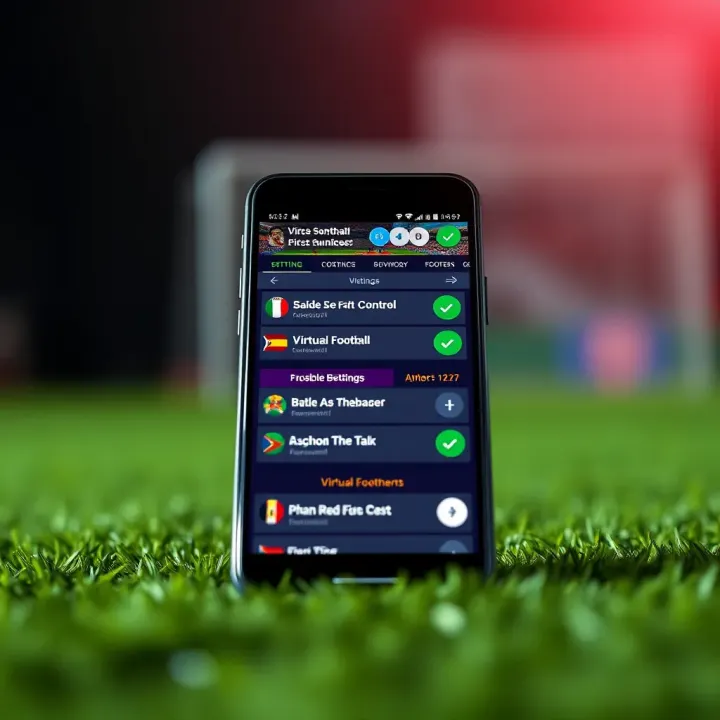
Virtual football is widely integrated into popular Nigerian betting sites like Bet9ja and NairaBet. This integration allows seamless betting alongside other sports, using Nigerian Naira for deposits and withdrawals.
Platforms provide user-friendly interfaces and accessible payment options such as bank transfer, USSD codes, and mobile wallets. This integration boosts the accessibility and popularity of virtual football, blending entertainment with convenient wagering.
Understanding these facets of virtual football empowers Nigerian players to make smarter bets and enjoy the experience safely. Awareness of match processes, formats, and platform features is the first step toward responsible participation and maximising enjoyment.
Legal and Regulatory Aspects of Virtual Football Betting in Nigeria
Virtual football betting in Nigeria operates within a complex legal environment that impacts both operators and players. Understanding the legal and regulatory framework is vital because it sets the boundaries for lawful betting activities, protects customers, and ensures fair play. Without clear regulations, the risks of fraud, scams, and unfair practices rise significantly.
Regulatory Bodies and Licensing
The National Lottery Regulatory Commission (NLRC) is the key government agency supervising lottery and betting activities, including virtual football. NLRC’s role is to issue licences, monitor compliance, and regulate operators to safeguard consumer interests. For instance, platforms like Bet9ja and NairaBet require NLRC licences to operate legally. These licences confirm that the operator meets technical, financial, and ethical standards, reassuring bettors about the platform’s authenticity.
Licensing requirements are stringent. Operators must demonstrate solid infrastructure, such as secure software and random number generators (RNGs), which guarantee unpredictability and fairness in virtual football matches. They must also undergo financial scrutiny to confirm stability and submit to background checks to prevent criminal elements from entering the betting scene. Companies without these clearances risk shutdown or prosecution.
Compliance and oversight mechanisms involve regular audits and reporting to the NLRC. Operators must keep detailed records of bets, payouts, and transactions, allowing regulators to detect irregularities or attempts at fraud. The NLRC also enforces anti-money laundering (AML) measures. For players, this regulatory oversight translates to safer betting environments, while operators benefit from trusted reputations that draw more users.
Current Legal Status and Limitations
Despite NLRC’s role, the legal framework for virtual sports betting remains somewhat unclear. Virtual football does not have explicit laws separate from general betting or lottery regulations, causing confusion for operators and regulators alike. Since virtual sports are computer-generated, questions arise about whether they fall under sports law or gambling law, affecting licensing and taxation.
Traditional sports betting enjoys clearer regulation under the National Lottery Act and associated guidelines. The lack of a dedicated regulatory scheme for virtual football means operators sometimes operate in a grey area, potentially exposing themselves to legal risks. Meanwhile, traditional bookmakers have defined rules for handling bets, disputes, and advertising, which virtual operators strive to match.
These ambiguities affect both operators and customers. Operators may hesitate to scale up or innovate fully due to unclear legal backing. Customers face challenges such as uneven dispute resolution processes and difficulties verifying an operator’s legitimacy. This gap also means scammers can more easily set up fake platforms, exploiting unclear regulations to fleece unsuspecting players.
Clearer laws and regulations specifically targeting virtual football betting would promote transparency, protect customers, and foster industry growth in Nigeria.
In summary, legal and regulatory aspects are central to the rise of virtual football in Nigeria. The NLRC plays a pivotal role, but existing gaps call for reforms. Bettors should always check for NLRC licensing before engaging with any virtual football platform, and operators must prioritise compliance to build confidence in this growing market.
Main Platforms and Operators Offering Virtual Football in Nigeria
Virtual football's rapid growth in Nigeria has largely been propelled by the increasing availability of reliable platforms and operators. These platforms not only provide the games but also manage betting, payments, and player engagement. Understanding the main providers helps bettors make informed choices about where to play safely and enjoy the best experience.
Popular Betting Websites and Apps
Bet9ja and NairaBet stand out as the leading virtual football platforms in Nigeria. Bet9ja, owned by KC Gaming Networks, dominates the market with its extensive sports betting options and a virtual football section that appeals to both novice and experienced players. NairaBet, recognised for its user-friendly interface and competitive odds, also offers a solid virtual football betting experience. Other platforms like 1xBet and Merrybet have entered the fray, expanding choices for virtual football enthusiasts.
User experience on these websites and apps is critical. Interfaces are designed for quick navigation with minimal loading times, especially important given Nigeria's variable internet speeds. For example, Bet9ja's app is optimised for low-data usage and fast responses, which suits mobile users who rely on limited bandwidth. Intuitive layouts allow players to place bets swiftly without navigating through complicated menus, a feature especially appreciated during peak football betting periods.
Payment methods on these platforms cater well to Nigerians’ needs. Popular options include direct bank transfers via USSD codes, card payments (Verve, Mastercard), and mobile money services such as Paga and OPay. Operators ensure that deposits and withdrawals in naira are seamless to avoid customers losing money to void exchange rates. Bet9ja, for example, offers instant withdrawal for verified Nigerian bank accounts, enhancing trust and convenience. This multi-channel approach reduces friction and helps players focus on the game without stressing over financial logistics.
Technological Infrastructure Behind Virtual Football
Behind the scenes, established software providers power virtual football games offered by Nigerian platforms. Companies like Kiron Interactive and Inspired Gaming supply match simulations with real-time graphics, enabling believable game outcomes. These technology partners work closely with local operators to integrate game feeds, ensuring smooth and engaging gameplay suitable for Nigeria’s betting market.
The fairness of virtual football relies heavily on Random Number Generation (RNG) technology. RNG algorithms guarantee unpredictability in match results, replicating the uncertainty found in real football. Platforms regularly subject their RNG systems to audits by third-party firms to maintain credibility. For Nigerian players, this means trusting that every bet has an equal chance of winning, helping combat suspicions of rigged outcomes.
Mobile compatibility is non-negotiable in Nigeria's virtual football scene. With many users accessing betting sites via smartphones, apps and websites must consume minimal data while delivering crisp graphics and stable gameplay. Bet9ja and NairaBet optimise their platforms for popular Android devices, carefully balancing data efficiency and user experience. This ensures even players in areas with patchy 3G coverage can participate without constant disconnections.
Nigerian virtual football thrives because of platforms combining technological reliability, convenient payments, and consumer-focused designs. Choosing well-established operators reduces risks and amplifies enjoyment.
Betting Practices, Strategies, and Popular Bets in Virtual Football
In Nigeria, virtual football betting has carved out a notable niche, attracting both seasoned punters and newcomers. Understanding common betting types and practical strategies is key for anyone wanting to engage effectively in this space. These betting practices not only shape how Nigerians interact with virtual football but also influence the wider betting culture, blending entertainment with calculated risk.
Common Types of Virtual Football Bets
Over/under goals, match winner, scoreline predictions deal with straightforward outcomes that many bettors find accessible. Over/under bets require predicting whether total goals in a match will exceed or fall short of a set number – for example, betting over 2.5 goals expects three or more goals. Match winner bets involve choosing the team to win, similar to traditional wagering, while scoreline predictions challenge bettors to get the exact result, such as 2-1 or 1-1. These bets suit those wanting quick, clear options without deep analysis.
Multiple bets and accumulator tips add layers of complexity and higher potential returns. Accumulators combine several selections into one bet; all outcomes must occur for the bettor to win. For instance, backing three match winners across different virtual games raises the stakes and payout. This system appeals to Nigerians eager to multiply winnings but requires careful stake management to balance risk.
Betting on tournaments and leagues offers longer-term engagement by focusing on overall competition winners or top performers. Virtual football platforms often simulate full seasons or cup tournaments. Bettors may wager on who wins the league or who scores the most goals over several matches. This approach suits enthusiasts tracking trends and willing to wait for results, tapping into the excitement of tournament narratives beyond single games.
Practical Betting Strategies Used by Nigerians
Risk management with stake sizing is a popular approach to preserving bankroll in virtual football betting. Many Nigerian bettors avoid risking large sums on single bets; instead, they spread wagers across several games or keep stakes proportionate to their total fund. This cautious technique helps limit losses during dry spells and keeps betting sustainable, especially when using mobile wallets and fintech platforms like Paystack.
Using past results for pattern recognition is another tactic commonly employed. Though virtual football games rely on random number generators, bettors sometimes study recent match outcomes to identify seemingly recurring trends — like frequent draws or high-scoring affairs. While this method isn’t foolproof, it gives players a sense of control and informs their selections, particularly when staking modest amounts.
Combining virtual with real football bets allows punters to diversify their wagering portfolio and manage risk. Many Nigerians place simultaneous bets on actual football matches and virtual events within the same session. This mix helps balance the unpredictability of real sports with the quicker results and regular schedule of virtual games. It also keeps players engaged, catering to fans wanting constant action amid Nigeria’s busy match calendar.
Knowing the types of bets and adopting proven strategies are essential for meaningful participation in virtual football betting. Nigerians who approach the game with discipline and focus tend to navigate the market more confidently, turning online platforms into viable entertainment and income sources.
In essence, betting on virtual football in Nigeria combines familiar betting formats with local practices of caution, observation, and diversification. Whether opting for simple match winners or leveraging accumulators, a clear grasp of these elements equips bettors to play smarter, not just harder.
Challenges, Risks, and Community Perspectives on Virtual Football
Understanding the challenges, risks, and community views around virtual football is key to grasping its role in Nigeria’s gaming and sports scene. These aspects influence players' trust and engagement and shape regulatory responses. Addressing the realities faced by Nigerian bettors helps create a safer and more sustainable virtual football environment.
Risks of Addiction and Responsible Betting
Addiction to virtual football betting is a growing concern, especially since the games run frequently and fast. Nigerian players showing signs include chasing losses by betting more than they can afford or spending excessive time on platforms, neglecting work and family. These behaviours can lead to financial strain and emotional stress.
Support systems are relatively limited but improving. Organisations like the National Lottery Regulatory Commission (NLRC) and some consumer rights groups have begun awareness campaigns to educate players about responsible betting. Platforms also occasionally display reminders to bet responsibly, though deeper outreach is needed.
For safer betting, Nigerians should set a firm budget for virtual football and stick to it without borrowing money. Using betting only as a form of entertainment, not income, reduces risks. Diversifying activities away from screens and seeking help early when losing control is crucial to avoid traps of addiction.
Issues with Fraud, Transparency, and Payment Delays
Fake virtual football sites are a real danger to Nigerian bettors. Some scammers create platforms that mimic popular brands like Bet9ja or NairaBet but refuse to pay winnings or steal personal information. Players must verify site licences and reviews before participation.
Withdrawal delays also frustrate players. Sometimes, legitimate platforms experience slow payment processing due to banking issues or internal policies. These delays erode trust and can discourage active betting.
To build trustworthiness, operators are urged to improve transparency by clearly posting licence details and payout policies. Prompt payments and customer service responsiveness help maintain loyal user bases. Regulatory bodies need to enforce stricter oversight to weed out fraudulent operators.
Community Opinions and Cultural Attitudes
Among sports fans, virtual football receives mixed reactions. Some appreciate the excitement and quick results it offers, especially during off-season periods of real football. Others dismiss it as artificial, lacking the unpredictability and passion of live matches.
Virtual football also affects local football enthusiasm. For some, it supplements interest by keeping fans engaged through betting and simulated outcomes. However, purists worry it might reduce attention to actual Nigerian league matches.
The debate over whether virtual football qualifies as a "real" sport continues. Critics argue it is a computer game without physical athletes, thus missing true athletic skill. Supporters say it blends sports love with technology, creating new entertainment forms. This ongoing discussion shapes how the game is promoted and regulated locally.
Tackling these community perceptions, addiction risks, and fraud issues is essential for virtual football to mature responsibly in Nigeria’s gaming culture.
FAQ
Based on 7 reviews